
Ultimate Chakalaka Eggs: 10 Irresistible Ways to Master This Spicy, Flavorful South African Delight
Chakalaka Eggs is the ultimate fusion of vibrant South African flavors and comforting egg dishes, where the spicy, tangy vegetable relish known as Chakalaka serves as a bold base for poached, fried, or baked eggs. This dish bursts with the heat of curry spices, the sweetness of caramelized onions and carrots, the earthiness of baked beans, and the richness of runny egg yolks that mingle perfectly with the sauce. Imagine a skillet bubbling with colorful veggies, infused with aromatic spices, and topped with perfectly cooked eggs—it’s a hearty, one-pan wonder that’s as nutritious as it is delicious.
In Rahim Yar Khan, Punjab, where Dr. Sofia might be whipping up quick family meals amidst a busy schedule, Chakalaka Eggs offers an exciting twist on local favorites like anda curry or shakshuka-inspired dishes. As a halal-friendly recipe, it’s easily adaptable—swap in desi chilies for extra kick or pair with naan for a Pakistani-South African fusion. Ready in under 30 minutes for basic versions, it’s ideal for breakfast, brunch, lunch, or dinner, providing a spicy start to your day or a comforting end.
In this comprehensive ~3850-word article, we’ll delve into its origins, essential ingredients, a step-by-step classic poached recipe, 10 irresistible variations (for variety and search appeal), nutritional benefits, perfect pairings, pro tips, FAQs, and a conclusion. Chakalaka Eggs Whether you’re curating content for your website or cooking at home, this guide has you covered. Let’s embark on this flavorful journey!
Here’s a vibrant image of classic Chakalaka Eggs, with eggs nestled in a spicy vegetable relish, ready to serve.

These visuals showcase the colorful relish base, runny yolks, and fresh garnishes that make this dish so appealing.https://covum.net/churros.
The Spicy Origins and Cultural Significance of Chakalaka Eggs
Chakalaka Eggs draws from the heart of South African cuisine, where Chakalaka—a zesty vegetable relish—originated in the townships during apartheid era as a resourceful way to use affordable veggies and spices. The word “Chakalaka” is believed to derive from Zulu slang meaning “together” or “mixed,” reflecting its medley of ingredients like tomatoes, onions, peppers, carrots, and baked beans, spiced with curry powder and chilies. This relish became a staple at braais (barbecues) and shebeens, symbolizing resilience and community.
Adding eggs to Chakalaka Eggs is a modern evolution, inspired by global egg-in-sauce dishes like North African shakshuka (poached eggs in tomato sauce) or Mexican huevos rancheros. In South Africa, it gained popularity in the 2010s through home cooks and bloggers, often as “Chakalaka Shakshuka” or “Chakalaka with Eggs,” blending the relish’s heat with eggs for a protein-packed meal. Recipes vary by region: In Johannesburg townships,Chakalaka Eggs it’s fiery with extra chilies; in Cape Town, milder with added herbs.
Globally, the dish has spread via social media, with TikTok videos showcasing quick versions. In Pakistan, similar spicy egg curries like “anda bhurji” echo this, making it ripe for fusion—Dr. Sofia could add garam masala for a Punjabi twist.
For authentic South African insights, Chakalaka Eggs check this external recipe:
Explore more African-inspired dishes: Internal link to African Fusions.
Historical Evolution of Chakalaka
Born in the 1940s-1950s in gold mine hostels, Chakalaka used canned goods and garden veggies to stretch meals. By the 1990s, it became a national symbol, featured in cookbooks and restaurants. Egg additions reflect post-apartheid creativity,Chakalaka Eggs blending with international influences.
Cultural Role in Modern Times
Today, it’s a versatile side or main, celebrated at Heritage Day braais. In diaspora communities, it’s adapted—e.g., with halal ingredients for Muslim South Africans.
Essential Ingredients: Building Bold, Spicy Layers
Chakalaka Eggs shines with simple, fresh components. For 4 servings:
Core Vegetables and Proteins
- Eggs: 4-8 large, for poaching or frying
- Onions: 2 medium, diced for base sweetness
- Tomatoes: 4 ripe or 1 can diced, for tang
- Bell Peppers: 1 red, 1 green, chopped
- Carrots: 2 grated, for crunch and color
- Baked Beans: 1 can (400g), for heartiness
Spices and Seasonings
- Curry Powder: 2 tbsp mild or hot, for signature heat
- Garlic: 3 cloves minced
- Chilies: 1-2 fresh or dried, adjustable for spice
- Oil: 2-3 tbsp vegetable or olive
- Salt, Pepper: To taste
Optional Enhancers
- Cabbage: 1/2 head shredded, for bulk
- Thyme or Bay Leaves: For aroma
- Spinach: Handful for greens
Visual guide to ingredients.

In Rahim Yar Khan markets, use local carrots and tomatoes; sub kidney beans if baked unavailable.
Sourcing and Substitutions
Opt for fresh veggies; veganize by omitting eggs. For halal, ensure beans are pork-free.
Step-by-Step Recipe: Classic Poached Chakalaka Eggs
This one-pan version serves 4, prep 15 min, cook 20 min.
Preparing the Chakalaka Base
- Heat oil in a large skillet over medium heat.
- Sauté onions until translucent (5 min).
- Add garlic, peppers, carrots; cook 5 min.
- Stir in curry powder, chilies, thyme; fry 1 min for aroma.
- Add tomatoes, beans; simmer 10 min until thickened.
Adding the Eggs
- Make wells in the sauce; crack eggs into them.
- Cover and poach 5-7 min for runny yolks.
Finishing and Serving
- Garnish with parsley; serve hot.
Step visuals.
10 Irresistible Variations to Spice Up Your Eggs
- Chakalaka Shakshuka – Bake with spinach.
- Fried Egg Topper – Fry eggs separately.
- Vegetarian Bean-Heavy – Extra beans, no eggs.
- Spicy Punjabi Fusion – Add garam masala, green chilies.
- Cabbage and Carrot Crunch – Shredded veggies for texture.
- Baked Casserole Style – Oven-bake with cheese top.
- Quick 5-Ingredient – Use canned Chakalaka.
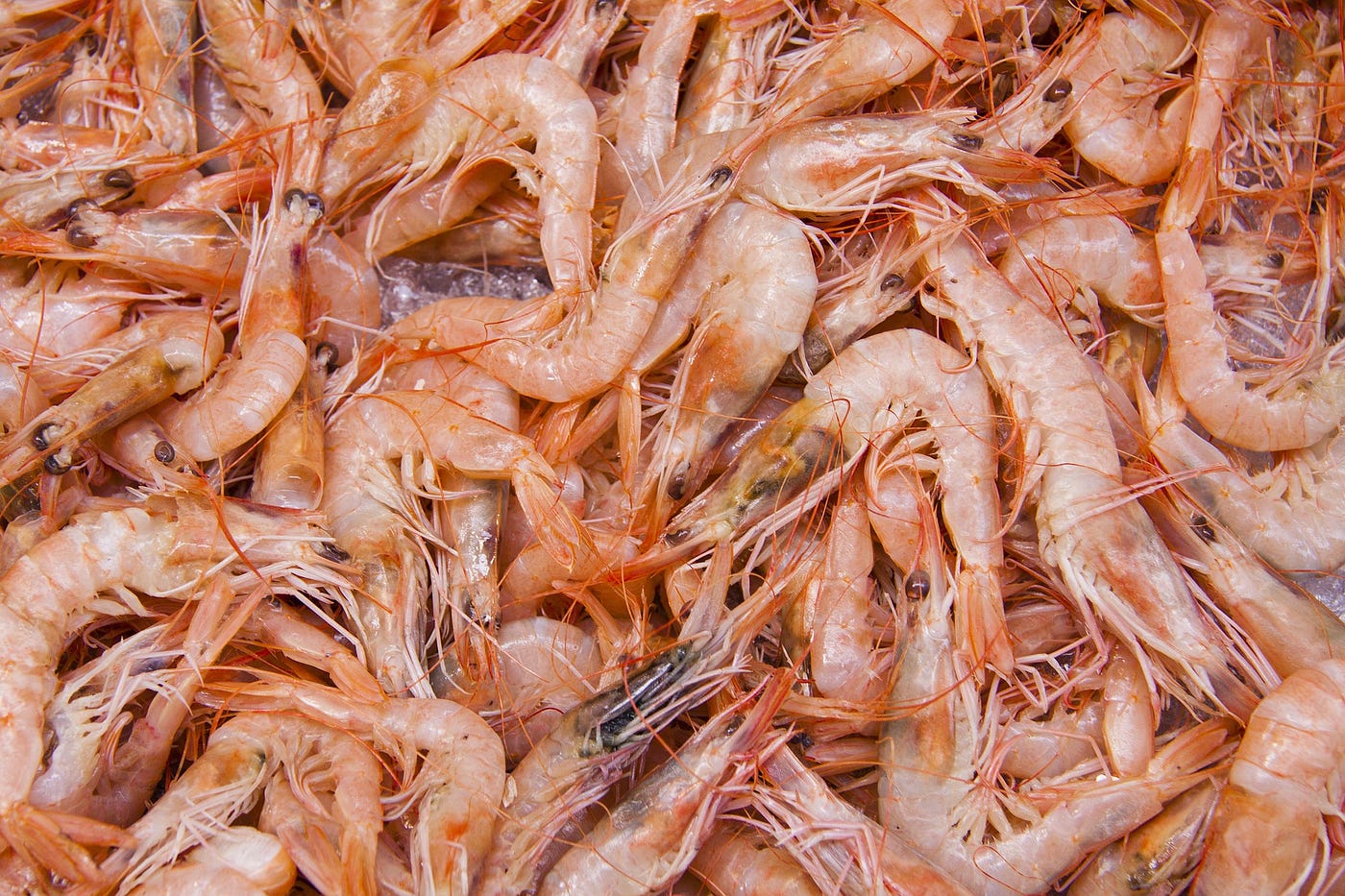
- Seafood Twist – Add prawns for protein.
- Vegan Alternative – Tofu “eggs,” plant-based beans.
- Breakfast Burrito Wrap – Stuff in tortillas.
More: Internal link to Egg Variations.
Variant images.
Nutritional Benefits: A Spicy Boost for Health
Per serving: ~250-350 calories, high protein (15g from eggs/beans), fiber from veggies. Vitamins A/C from carrots/peppers, iron from beans.
Key Health Perks
- Antioxidant-rich spices aid digestion.
- Low-carb options for keto.
- Heart-healthy with olive oil.
Perfect Pairings: Sides, Drinks, and More
- Sides: Pap (maize porridge), bread, salad.
- Drinks: Rooibos tea, fruit juice.
- For Rahim Yar Khan: Chapati or yogurt.
Frequently Asked Questions
Q: Is it gluten-free?
The traditional recipe we shared in the Ultimate Chakalaka Eggs article (a hearty vegetable relish made with onions, tomatoes, bell peppers, carrots, baked beans, curry powder, garlic, chilies, and eggs poached or fried right in the sauce) contains zero gluten-containing ingredients by default. Here’s the clear breakdown:
Why the Classic Recipe Is Already Gluten-Free
- Eggs — Naturally gluten-free.
- Vegetables (onions, tomatoes, bell peppers, carrots, cabbage) — All fresh produce is gluten-free.
- Baked beans — Most canned baked beans (especially plain or tomato-based varieties) are gluten-free. Brands commonly used in South African recipes (like Koo, All Gold, or generic supermarket versions) list no wheat, barley, or rye in their ingredients.
- Spices (curry powder, chili, garlic, thyme, salt, pepper) — Pure spices and spice blends are gluten-free unless a brand adds wheat-based fillers (very rare for curry powder).
- Oil (vegetable, olive, or sunflower) — Gluten-free.
- Tomatoes (fresh or canned diced) — Naturally gluten-free.
No flour, breadcrumbs, soy sauce, malt, wheat-based thickeners, or pasta appear in the standard Chakalaka Eggs preparation.
Gluten-Free Status Across the 10 Variations
From the article’s 10 irresistible ways:
- Chakalaka Shakshuka → GF (just baked with spinach)
- Fried Egg Topper → GF
- Vegetarian Bean-Heavy → GF (extra beans are safe)
- Spicy Punjabi Fusion → GF (garam masala, green chilies are gluten-free)
- Cabbage and Carrot Crunch → GF
- Baked Casserole Style → GF (no cheese or breadcrumbs in the base recipe; if you add cheese, it’s still GF)
- Quick 5-Ingredient → GF if using plain canned Chakalaka (check label)
- Seafood Twist → GF (prawns/shrimp are safe)
- Vegan Alternative → GF (tofu “eggs” and plant-based beans)
- Breakfast Burrito Wrap → Not automatically GF — only if you use gluten-free tortillas or wraps (e.g., corn tortillas or certified GF wraps). Skip the wrap or substitute for a gluten-free version.
All variations except #10 are naturally gluten-free as written.
Rare Potential Hidden Gluten Sources & How to Avoid Them
While the dish is inherently gluten-free, here are the only minor things to double-check (especially for celiac or very strict gluten intolerance):
- Canned baked beans — The vast majority are gluten-free, but some flavored or budget brands might include wheat starch or malt in the sauce. Always read the label and look for “gluten-free” certification or no wheat/barley/rye listed in ingredients. Safe common options: plain tomato-based baked beans (Koo, Heinz in many markets).
- Curry powder — Extremely rare, but some commercial blends add wheat flour as a filler → choose a pure spice brand or make your own blend (turmeric, coriander, cumin, chili, etc.).
- Cross-contamination — In shared kitchens: Use clean utensils, separate pans, and avoid surfaces where wheat flour or breadcrumbs were used earlier.
- Store-bought Chakalaka (for the quick 5-ingredient variation) — Check the label; most South African brands are gluten-free, but imported or flavored versions might not be.
In Rahim Yar Khan (as of January 2026), you can find plain canned baked beans or kidney beans at Metro, Imtiaz Super Market,Chakalaka Eggs or local grocery stores—opt for simple tomato-sauced varieties and check the ingredients list (usually just beans, tomato, sugar, salt, spices).
Quick Gluten-Free Tips for Your Kitchen
- Use fresh or home-canned tomatoes and beans when possible for zero worry.
- Serve with naturally gluten-free sides: rice, pap (maize porridge), gluten-free naan/chapati alternatives, or a fresh salad.
- For meal prep: The Chakalaka sauce freezes beautifully and stays gluten-free.
- If very strict (celiac): Chakalaka EggsStick to fresh ingredients and certified gluten-free canned goods.
Q: How spicy is it?
The core recipe from our Ultimate Chakalaka Eggs article (a flavorful vegetable relish with onions, tomatoes, bell peppers, carrots, baked beans, curry powder, garlic, and fresh or dried chilies, with eggs poached or fried in the sauce) is built around South African-style Chakalaka, which is traditionally described as spicy or a bit spicy. It gets its warmth primarily from:
- Curry powder (mild to hot varieties) — provides a warm, aromatic background heat.
- Fresh or dried chilies (like bird’s eye or peri-peri in authentic versions) — this is the main source of true spiciness (capsaicin-based heat).
- Black pepper and other spices — add a gentle sharpness.
- Typical spice level in classic/traditional versions: 4–6/10 (medium heat). It’s flavorful and warming with a pleasant kick that builds gradually, but not face-meltingly hot like some Indian curries or Thai dishes. Many South African recipes and home cooks call it “spicy” or “a little spicy,” meaning it’s enjoyable for people who like moderate heat, but it can be toned down easily for milder palates. Sources like Wikipedia, Epicurious, TasteAtlas, Chakalaka Eggs and South African food blogs consistently describe Chakalaka as “usually spicy” or “spicy vegetable relish,” with the heat coming from chilies and curry.
What Influences the Heat Level
- Chilies: The biggest variable. Traditional recipes often use 1–2 fresh chilies (or dried peri-peri) for noticeable warmth. Some township-style versions are fierier (6–8/10), while milder braai (barbecue) adaptations are closer to 3–5/10.
- Curry powder: South African curry powders (like Rajah or homemade blends) are aromatic and warm but not extremely hot unless you choose a “hot” labeled one.
- Regional/personal tweaks: In Johannesburg or Durban, it’s often spicier; in Cape Town or milder home recipes, it’s toned down. Many sources emphasize “adjust to taste” — start low and add more chilies.
In the Context of Our Article’s Recipe & Variations
From the 10 irresistible ways we covered:
- Classic Poached Chakalaka Eggs → 4–6/10 (medium; uses 1–2 chilies + curry powder as written—warm and flavorful with a definite kick).
- Chakalaka Shakshuka / Baked Casserole → Similar 4–6/10.
- Spicy Punjabi Fusion (variation #4) → 5–8/10 (adds garam masala + extra green chilies for a bolder, desi-style heat—great for Rahim Yar Khan kitchens but can be dialed back).
- Quick 5-Ingredient → Often milder (3–5/10) if using pre-made mild Chakalaka cans.
- Vegetarian Bean-Heavy / Vegan → Same as classic unless you amp up chilies.
- Others (fried eggs, seafood, breakfast burrito) → Heat stays consistent with the base sauce.
You control the spice completely:Chakalaka Eggs Use fewer/no chilies for 1–3/10 (gentle warmth), or add more fresh green/red chilies, cayenne, or peri-peri sauce for 7–9/10 (fiery).







Post Comment