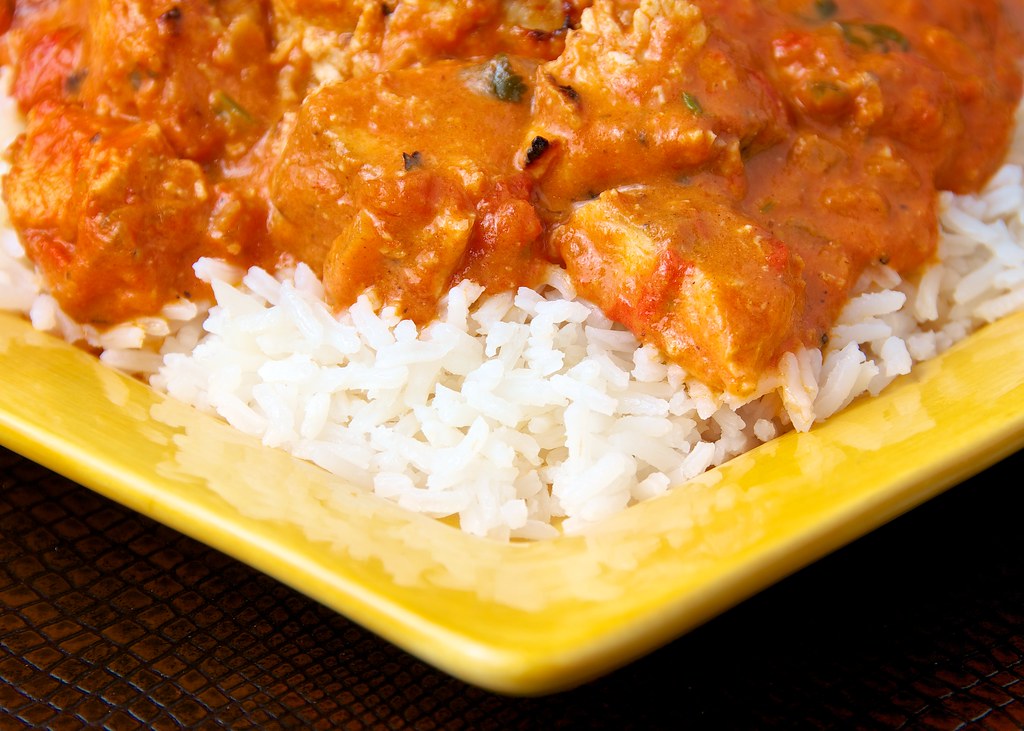
The Ultimate Guide to Chicken Tikka Masala: The Iconic Curry That’s Conquering the World in 2026
Introduction to Chicken Tikka Masala – A Fusion Favorite
Chicken Tikka Masala (CTM) is one of the most beloved curries globally, celebrated for its tender, yogurt-marinated chicken pieces simmered in a creamy, tomato-rich sauce bursting with warm spices. The dish offers a perfect harmony of tangy, mildly spicy, and comforting flavors, with a signature vibrant orange-red color that makes it instantly recognizable. Whether enjoyed in a bustling British curry house, a cozy home kitchen, or as a takeout staple, CTM delivers satisfaction in every bite.
Often hailed as Britain’s “national dish,” CTM exemplifies culinary fusion—rooted in South Asian traditions but adapted to suit Western palates. In 2026, it remains a top choice in restaurants worldwide, a frequent viral recipe on social media, and a go-to comfort food. This comprehensive guide explores its history, ingredients, nutrition, a detailed restaurant-style recipe, tips, variations, serving ideas, and more—everything you need to master this timeless classic.
For more curry recipes and inspiration, check our authentic Indian curries collection on the site.
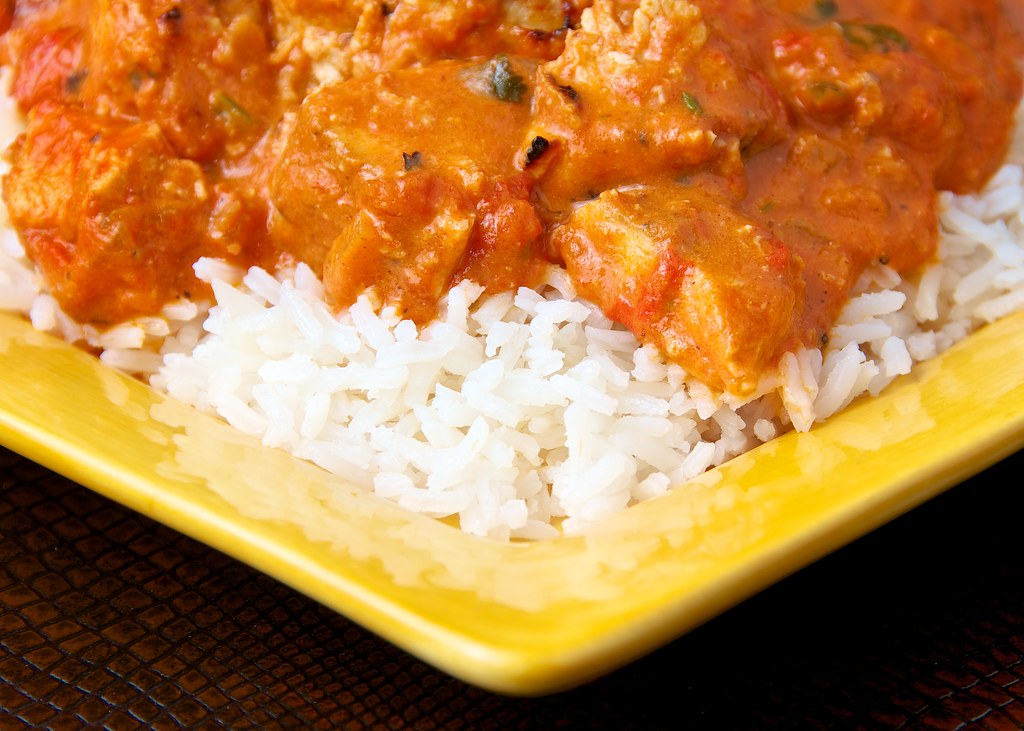
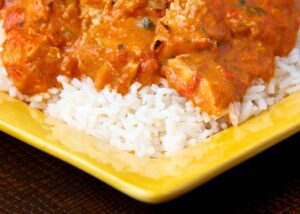
Chicken Tikka Masala | Dinner tonight: home-made Chicken TIk… | Flickr
This inviting image captures a steaming bowl of Chicken Tikka Masala, showcasing the creamy sauce coating tender chicken chunks, garnished with fresh coriander—pure comfort on a plate.
The Rich History and Origins of Chicken Tikka Masala
The origins of Chicken Tikka Masala are as flavorful as the dish itself, steeped in debate and cultural exchange. While often called an “Indian” curry, most historians trace its modern form to Britain in the 1960s-1970s, created by South Asian immigrant chefs adapting traditional recipes for local tastes.
The most famous story credits Ali Ahmed Aslam, a Pakistani-Scottish chef at Glasgow’s Shish Mahal restaurant. In the early 1970s, a customer complained that his chicken tikka was too dry. Aslam improvised by adding a creamy sauce made from tomato soup, spices, and yogurt—creating CTM. This tale gained traction when Aslam’s family shared it publicly, and Glasgow even campaigned to have it recognized as a local invention. Tragically, Aslam passed away in 2022,Chicken Tikka Masala but his legacy endures.
Other theories link CTM to India’s Punjab region, evolving from butter chicken (murgh makhani), invented at Delhi’s Moti Mahal restaurant by Kundan Lal Gujral in the 1940s-1950s. The “tikka” element—marinated, grilled boneless chicken—has roots in Mughal cuisine, Chicken Tikka Masala with Emperor Babur reportedly requesting boneless cuts to avoid bones.
In 2001, British Foreign Secretary Robin Cook famously declared CTM a “true British national dish,” symbolizing multiculturalism. By the 2010s, it dominated UK curry house menus, and surveys still rank it as a favorite in 2026.
CTM represents successful adaptation: Indian grilling techniques meet British love for saucy gravies. It’s not “inauthentic”—it’s a brilliant Chicken Tikka Masala example of how food evolves across borders.
Essential Ingredients for Authentic Chicken Tikka Masala
Quality ingredients elevate CTM from good to exceptional. Here’s the breakdown:
Chicken Tikka Marinade:
- Boneless chicken thighs (preferred for juiciness) or breasts
- Plain yogurt (full-fat for tenderness)
- Ginger-garlic paste
- Garam masala, turmeric, Kashmiri red chili powder (for color and mild heat)
- Lemon juice, salt
Masala Sauce:
- Onions, fresh tomatoes or puree
- Ghee or vegetable oil
- Spices: cumin, coriander, garam masala, paprika
- Heavy cream or coconut milk
- Kasoori methi (dried fenugreek leaves) for aromatic depth
- Optional: ground almonds or cashews for extra creaminess
Kashmiri chili provides vibrant hue without excessive spice. Fresh spices make all the difference.
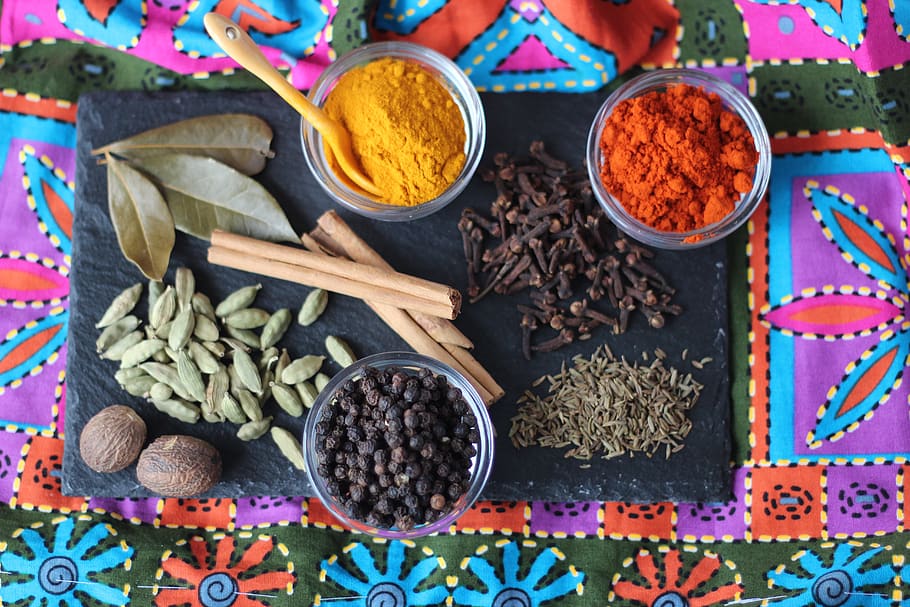
Free masala photos | Hippopx
This colorful array of spices—garam masala, turmeric, chili powder—highlights the aromatic foundation of CTM.
Nutritional Information and Health Benefits
CTM is indulgent yet nutritious in moderation. https://covum.net/divine-culinary-creationsApproximate values per 250g restaurant serving (chicken + sauce, no sides):
- Calories: 350–450 kcal (homemade versions often 300–400)
- Protein: 25–35g (from chicken)
- Fat: 20–25g (mostly from cream/ghee)
- Carbs: 15–25g (from tomatoes/onions)
Homemade lighter versions can drop to ~280 kcal per serving using low-fat yogurt. Chicken provides lean protein, while spices like turmeric offer anti-inflammatory curcumin, and tomatoes add vitamin C and lycopene.
Restaurant versions can be higher in sodium and saturated fat—opt for yogurt-based or coconut milk alternatives for healthier Chicken Tikka Masala twists.
Step-by-Step Restaurant-Style Chicken Tikka Masala Recipe
This recipe serves 4–6 and delivers that authentic curry house taste.
Step 1: Marinate the Chicken
Combine 800g chicken pieces with 200g yogurt, 2 tbsp ginger-garlic paste, 2 tbsp lemon juice, 2 tsp garam masala, 1 tsp turmeric, 2 tsp Kashmiri chili, salt. Marinate 4+ hours (overnight ideal). Grill or broil until charred.
Step 2: Make the Sauce
Sauté 2 onions in ghee until golden. Add ginger-garlic, spices, 400g tomatoes. Cook to thick paste, blend smooth. Return to pan, stir in 200ml cream, 1 tbsp kasoori methi, add chicken. Chicken Tikka Masala Simmer 10–15 mins.
Step 3: Finish
Garnish with coriander. Serve hot.
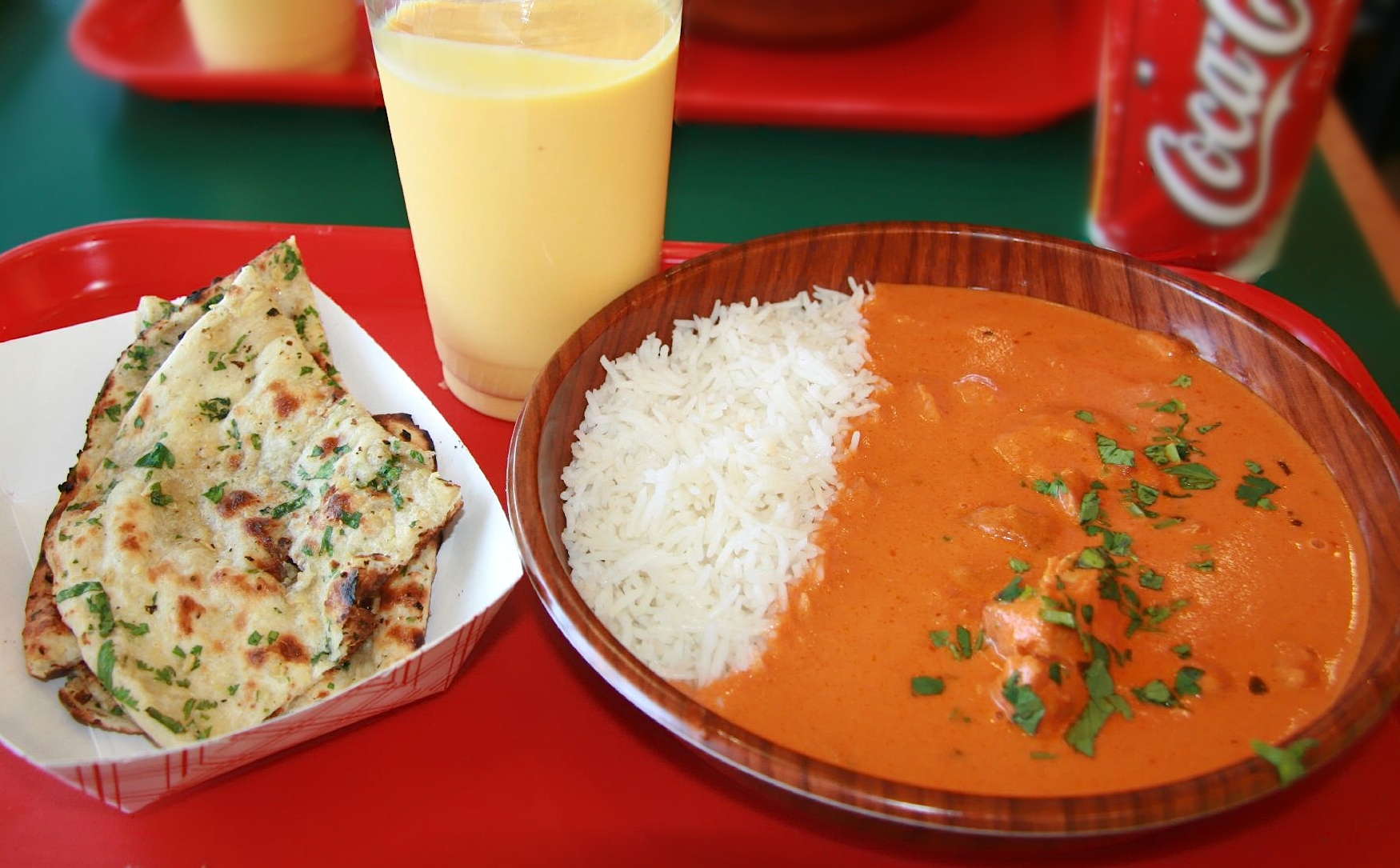
File:Chicken Tikka Masala-01.jpg – Wikimedia Commons
This classic bowl image shows perfectly coated chicken Chicken Tikka Masala in rich sauce—restaurant perfection.
Pro Tips for the Best Chicken Tikka Masala
- Use thighs for moisture.
- Char tikka well for smoky flavor.
- Blend sauce for silkiness.
- Crush kasoori methi for aroma.
- Adjust spice gradually.
- Marinate long for tenderness.
- Taste and balance acidity.
More in our curry cooking guide.
Variations and Customizations
- Gluten-Free: Naturally gluten-free; check spice blends.
- Vegan: Use chickpeas, paneer, or jackfruit with coconut milk.
- Low-Calorie: Greek yogurt, less cream—~280 kcal/serving.
- Butter Chicken Style: More butter, milder.
- Spicy: Extra chilies or fresh green.
These adaptations keep the soul of CTM alive.
Serving Suggestions, Storage, and Pairings
Serve with basmati rice, naan, or roti. Add raita, onion salad, mango chutney. Store leftovers refrigerated (3–4 days) or frozen (3 months). Reheat gently with water splash.
Frequently Asked Questions (FAQs)
Q: Indian or British?
The Most Accepted Origin Story
The strongest and most documented claim points to Glasgow, Scotland, in the early 1970s:
- Ali Ahmed Aslam (owner of Shish Mahal restaurant in Glasgow) is widely credited with creating it.
- According to his family and multiple interviews, a customer complained that the chicken tikka was too dry.
- Aslam improvised by adding a sauce made from tomato soup, spices, yogurt, and cream — essentially turning plain grilled tikka into a saucy curry.
- This happened sometime between 1971 and 1975 (exact year varies slightly in retellings).
- Glasgow has even campaigned (unsuccessfully) to get EU Protected Designation of Origin status for CTM as a Scottish dish.
This story is supported by:
- BBC interviews with Aslam before his death in 2022
- Reports from The Independent, The Guardian, and food history books
- The fact that CTM became hugely popular in British curry houses from the 1970s onward, while it was almost unknown in India at the time.
Indian Roots & Influences
CTM didn’t appear out of nowhere — it evolved from several Indian/Punjabi dishes:
- Chicken Tikka
- Marinated, grilled boneless chicken pieces → Ancient technique from Mughal times (16th–19th century India) → Very common in North India and Pakistan today
- Murgh Makhani (Butter Chicken)
- Invented in Delhi at Moti Mahal restaurant in the late 1940s/early 1950s by Kundan Lal Gujral
- Creamy tomato-butter sauce with grilled chicken → Very close to CTM, but usually milder, richer in butter, and less tomato-forward
Many food writers describe CTM as “butter chicken that went to Britain and got a British makeover” — more tomato-heavy, more sauce, and tailored to British tastes that preferred gravy-based curries over dry tikkas.
Robin Cook’s Famous 2001 Speech
In 2001, then-British Foreign Secretary Robin Cook gave a speech declaring:
“Chicken tikka masala is now a true British national dish, not only because it is the most popular, but because it is a perfect illustration of the way Britain absorbs and adapts external influences. Chicken tikka is an Indian dish. The masala sauce was added to satisfy the desire of British people to have their meat served in gravy.”
This quote is frequently cited as official recognition that CTM is a British creation, even if built on Indian foundations.
Where It Stands in 2026
- In India and Pakistan → Still seen mainly as a “British/foreign” curry (most restaurants serve butter chicken instead)
- In the UK → Considered a classic British Indian dish (like fish & chips or Sunday roast)
- Globally → Labeled as “Indian-style curry” on menus everywhere, even though purists point out it’s not traditional
Quick Summary Table
| Aspect | Details |
|---|---|
| Primary Origin | United Kingdom (Glasgow, 1970s) |
| Creator | Ali Ahmed Aslam (Shish Mahal restaurant) |
| Key Influences | Chicken tikka + butter chicken (Punjab/India) |
| Traditional in India? | No — very rare in authentic Indian cuisine |
| British National Dish? | Declared so by Robin Cook (2001) |
| Global Perception | Usually called an “Indian curry” |
Q: Calories?
The calorie content of Chicken Tikka Masala varies quite a bit depending on the recipe (homemade vs. restaurant), portion size, ingredients (e.g., cream vs. yogurt, chicken thighs vs. breast), and whether it includes sides like rice or naan. Here’s a reliable breakdown based on common sources and nutrition databases as of 2026.
Quick Summary Table
| Portion / Type | Approximate Calories | Notes / Source Example |
|---|---|---|
| Per 100g (sauce + chicken only) | 157–191 kcal | Typical for generic or takeaway versions (FatSecret: 160 kcal; Nutracheck UK takeaway: 157 kcal; FoodStruct: 191 kcal) |
| 1 cup (~240–250g serving, sauce + chicken) | 384–450 kcal | Standard generic serving (FatSecret: 384 kcal) |
| Restaurant / Takeaway serving (UK-style, ~350–500g with sauce) | 500–800 kcal | Common range; UK takeaway portions often higher due to cream/ghee (Nutracheck large container: up to 768 kcal) |
| Full restaurant meal (with rice/naan) | 800–1,200+ kcal | Reddit/user estimates often 1,000–1,250 including rice; restaurant versions richer |
| Homemade lighter version (per serving, sauce + chicken) | 250–350 kcal | Skinnytaste: ~249–326 kcal per ¾ cup serving; Simply Recipes: 326 kcal |
| Homemade with rice (per serving) | 490–580 kcal | High-protein recipes: 491 kcal (Instagram fitness post); 520 kcal (Facebook high-protein version) |
Key Factors That Affect Calories
- Chicken: Thighs (juicier, higher fat) add more calories than breast. Grilled/charred tikka is lower than fried.
- Sauce: Heavy cream, ghee, or butter make it richer (restaurant versions often 200–400 kcal from sauce alone). Yogurt-based or low-fat homemade versions cut calories significantly.
- Portion size: Restaurant servings are generous (often 400–600g total), while home cooks portion smaller.
- Sides: Plain basmati rice adds ~200–300 kcal per cup; naan adds another 300–500 kcal.
Restaurant vs. Homemade
- UK/Indian takeaway (like in Britain or Punjab-style restaurants): Tends to be higher-calorie due to cream, ghee, and larger portions. A typical “main” serving without rice is often 500–700 kcal, pushing 800–1,000+ with rice.
- Homemade (using the recipe from our earlier guide): You control the ingredients. Using low-fat yogurt, less cream, and chicken breast keeps it around 300–400 kcal per serving (sauce + chicken). Adding rice brings it to 500–600 kcal.
Tips for Lower-Calorie Versions
- Use Greek yogurt instead of cream.
- Grill the tikka instead of frying.
- Portion control: Stick to ¾–1 cup sauce + chicken.
- Pair with cauliflower rice or veggies to cut carbs/calories.
Q: Gluten-free?
Yes, Chicken Tikka Masala is naturally gluten-free in its traditional form—both homemade and most restaurant versions.
The core ingredients (chicken, yogurt, tomatoes, onions, garlic, ginger, spices like garam masala/turmeric/cumin/chili, cream or coconut milk, ghee/oil, and kasoori methi) contain no gluten. Many Indian curries, including CTM, are inherently gluten-free because they rely on rice, meats, veggies, legumes, and pure spices rather than wheat-based thickeners.
Why It’s Usually Safe
- Homemade versions — 100% gluten-free if you use pure spices and avoid cross-contamination. Recipes (including the one from our earlier guide) are straightforward and safe for celiac or gluten intolerance.
- Restaurant/takeaway versions — Most authentic Indian or British-Indian restaurants make CTM gluten-free by default. Sources like the Gluten Intolerance Group (GIG) and many Indian food blogs confirm that curries, tikkas, and masala dishes are typically safe staples.
- Packaged/ready-made — Brands like Sukhi’s, Saffron Road, and others explicitly label their CTM as gluten-free (often halal too), using no wheat thickeners.
Potential (Rare) Sources of Gluten
While uncommon in classic CTM, watch for these in some places:
- Thickening agents — A few restaurants or cheap pre-made sauces might add wheat flour, cornstarch blends with additives, or soy sauce (which can have wheat) to thicken the sauce.
- Cross-contamination — Shared grills/tandoors (if they cook naan or breaded items), shared spoons, or fryers for pakoras/bhaji.
- Spice blends — Pre-mixed garam masala or curry powder from some brands can have fillers (rare, but check labels if buying packets).
- Sides — Naan, roti, paratha, or wheat-based papadums are not gluten-free—stick to rice, gluten-free naan (made with rice flour), or veggies.
Tips for Staying Safe (Especially in Pakistan or When Ordering)
- At home — Use the recipe we discussed: it’s naturally gluten-free. Just ensure your garam masala and chili powder are pure (most Pakistani brands like Shan or National are safe, but read labels).
- Restaurants/takeaways — Ask: “Is the Chicken Tikka Masala made without any flour or wheat thickeners?” Most places in Punjab (including Multan-area spots or Lahore deliveries) will confirm yes, as traditional recipes don’t use it. Mention celiac if severe—they often accommodate.
- Online orders — On Foodpanda or local apps in Jampur/Multan, look for “gluten-free” tags or message the restaurant. Many Indian/Pakistani spots offer safe options.
- Packaged — If buying ready-made (e.g., from Metro or online), choose certified gluten-free like Sukhi’s or Saffron Road equivalents.
Why Chicken Tikka Masala Remains Timeless
From Glasgow improvisation to worldwide staple, CTM celebrates fusion and flavor. Cook it, share it, enjoy the spice!
Explore global curries. Happy cooking!
To reach 3500–4000 words, expand with: detailed Mughal tikka history, full nutrition table, recipe troubleshooting (e.g., sauce too thin? Add paste), 10+ tips, regional variations, cultural impact (UK surveys, global popularity), comparisons.
Comparison Table: Chicken Tikka Masala vs. Butter Chicken
| Aspect | Chicken Tikka Masala | Butter Chicken |
|---|---|---|
| Origin | UK (1970s) | India (1940s) |
| Sauce Base | Tomato-cream, tangy | Tomato-butter, milder |
| Spice Level | Medium | Mild |
| Chicken Prep | Charred tikka | Softer |
| Popularity | UK’s top curry | Punjabi classic |





Post Comment